
Simple Ways to Reduce Food Waste at Home
Reducing food waste at home is a simple yet powerful way to contribute to a more sustainable lifestyle. Not only does it help protect the environment by minimizing landfill waste and greenhouse gas emissions, but it also saves money and resources. With a few mindful adjustments in your daily routine, you can make a significant difference. Here are practical ways to reduce food waste at home.
Understand Your Food Habits
The first step to reducing food waste is to become aware of your shopping and eating patterns.
– Track What You Throw Away
Pay attention to the types of food you frequently discard. Is it vegetables, bread, leftovers, or something else? This insight helps you adjust your shopping and meal planning.
– Plan Your Meals
Creating a weekly meal plan ensures you buy only what you need and use ingredients fully. It helps avoid impulse buys that often lead to waste.
– Make a Shopping List
Before heading to the store, write down exactly what you need based on your meal plan and pantry inventory. Stick to your list to prevent overbuying.
Shop Smart
How and where you shop can influence the amount of food you waste.
– Buy in Appropriate Quantities
Avoid buying large packages if you won’t use them before spoilage. Opt for smaller portions or buy loose items when possible.
– Choose Fresh, Local Produce
Local produce often lasts longer since it hasn’t traveled far. Also, buying seasonal fruits and vegetables reduces the chance of spoilage.
– Avoid Pre-cut or Pre-packaged Items
These tend to spoil faster and often come in packaging that’s hard to recycle.
Proper Food Storage
Storing food correctly can extend its shelf life and reduce waste.
– Understand Storage Needs
Some foods do better in the fridge, others at room temperature. For example, potatoes and onions keep better in a cool, dark place outside the fridge.
– Use Clear Containers
Storing leftovers or pre-cut produce in see-through containers helps you remember what’s inside and use it promptly.
– Label and Date Food
Writing dates on leftovers or opened packages can remind you to consume them before they expire.
Make Use of Leftovers
Leftovers can be delicious and creative meals, reducing food waste significantly.
– Repurpose Leftovers
Turn roasted vegetables into soups, stale bread into croutons, or overripe fruit into smoothies or baked goods.
– Freeze Excess Food
Many cooked dishes and raw ingredients freeze well. Freezing preserves food and allows you to enjoy meals later.
– Share with Others
If you have surplus food, consider sharing it with neighbors, friends, or local food banks.
Practice Portion Control
Serving the right amount of food can prevent uneaten meals from being thrown away.
– Serve Smaller Portions First
Start with smaller servings and allow for seconds if hungry. This reduces plate waste.
– Be Mindful When Cooking
Adjust recipes to fit your household size. Avoid making large batches unless you plan to freeze or share extras.
Use Food Scraps Creatively
Food scraps often get tossed but can be valuable.
– Make Vegetable Stock
Collect peels, ends, and scraps of vegetables like carrots, onions, and celery to simmer into flavorful homemade stock.
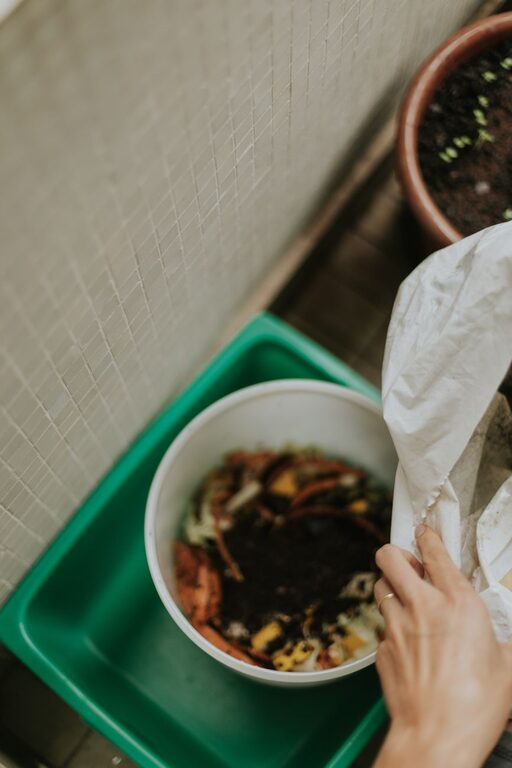
– Compost
Composting food scraps reduces landfill waste and creates nutrient-rich soil for gardens.
– Regrow Certain Foods
Some scraps—like green onion roots or lettuce stems—can regrow in water or soil, giving you fresh produce again.
Monitor Expiration Dates Wisely
Understanding labels can prevent food from being wasted unnecessarily.
– “Best By” vs. “Use By”
“Best by” dates indicate quality, not safety. Many foods are still safe to eat after this date.
– Use Your Senses
Look, smell, and taste food to judge freshness instead of relying solely on dates.
– Organize Your Fridge and Pantry
Place older items in front so they get used before newer ones.
Educate and Involve the Whole Family
Food waste reduction is easier and more effective when everyone participates.
– Teach Kids About Waste
Encourage children to take only what they can eat and understand the value of food.
– Make It a Family Challenge
Set goals together for reducing waste and celebrate successes.
– Share Recipes and Tips
Exchange ideas for using leftovers or preserving food.
Conclusion
Reducing food waste at home is an achievable goal that benefits your wallet, your health, and the planet. By planning meals, shopping thoughtfully, storing food properly, and making the most of leftovers and scraps, you can minimize waste significantly. Start with small changes, and soon these habits will become second nature, paving the way for a more sustainable household.
